 By Grace Sterling, Personal Finance Editor
Reviewed & updated September 2026 · Researched, AI-assisted & human-reviewed
Educational information only — not financial advice. Learn more
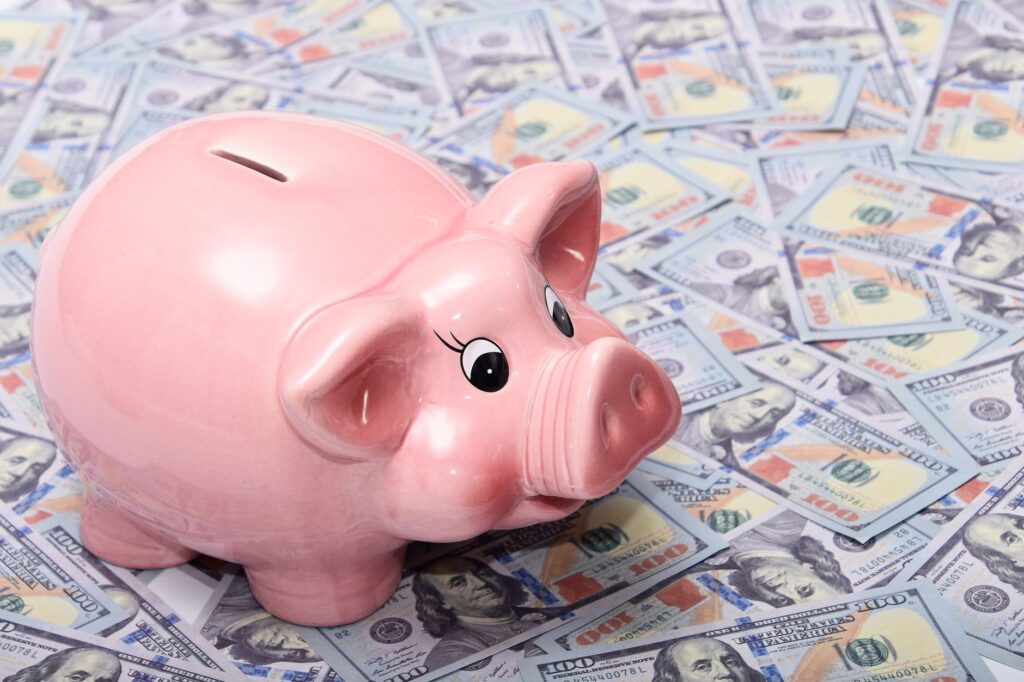
A regular savings account often pays around 0.01% — basically nothing. A high-yield account can pay many times that on the exact same deposit, with the same protections. It’s the rare money upgrade that takes ten minutes to set up and costs you nothing to switch to.
Finch & Fortune shares general educational information, not financial advice. Rates and terms vary by institution and over time — review any account's details before opening. Consult a qualified professional for guidance specific to you.
 What this guide coversCurated by Grace · 6 min read
What a high-yield savings account is
A high-yield savings account is simply a savings account that pays a much higher interest rate (APY) than a traditional one. It works the same way — you deposit money, it stays safe and accessible, and you can withdraw it — but your balance earns more while it sits. The higher rates are most often offered by online banks, which have lower overhead than branch-based banks.
Why the interest difference matters
The gap between a standard savings account and a high-yield one can be large. On a meaningful balance — like an emergency fund — that difference can be the equivalent of free money each year, just for keeping your savings in a better account. And because it's automatic and risk-free (unlike investing), it's one of the easiest wins in personal finance.
HYSA vs. regular savings vs. investing
- Regular savings: safe and accessible, but very low interest.
- High-yield savings: safe and accessible, much higher interest. Ideal for your emergency fund and short-term savings.
- Investing: higher potential returns over the long term, but with risk and not for money you might need soon.
The key distinction: an HYSA is for money you want safe and available (emergency fund, sinking funds, short-term goals), while investing is for long-term money you can leave alone.
What to look for in an HYSA
When comparing accounts, check:
- The APY (the interest rate) — higher is better, but don't chase tiny differences.
- Fees — look for no monthly maintenance fees.
- Minimums — some require a minimum balance; many don't.
- Access — easy transfers to and from your checking account.
- Safety — confirm the institution carries standard deposit insurance.
- Reputation and usability — a solid bank with a good app.

What to use an HYSA for
It's the ideal home for money you want safe but growing:
- Your emergency fund — the classic use.
- Sinking funds — saving for known future expenses.
- Short-term goals — a trip, a down payment you'll need within a few years.
- Any cash savings that would otherwise earn almost nothing.
It's not the place for long-term wealth-building — that's what investing is for — or for everyday spending money (keep that in checking).
A few things to know
- Rates change over time — HYSA rates rise and fall with the broader economy, so the rate you open with may change.
- There may be transfer times — moving money to/from an online HYSA can take a day or two, which is fine for savings.
- It's still fully accessible — unlike locked accounts, you can withdraw when you need to.
The takeaway
A high-yield savings account is one of the easiest, lowest-effort wins in personal finance: the same safety and accessibility as a regular savings account, but with much more interest, so your money grows instead of stagnating. It's the ideal home for your emergency fund, sinking funds, and short-term savings — money you want safe and available rather than invested. Compare accounts for a strong APY, no fees, and deposit insurance, then move your idle savings over. It's free money for a few minutes of setup.
Frequently asked questions
What is a high-yield savings account?
It's a savings account that pays a much higher interest rate (APY) than a traditional savings account, while keeping your money equally safe and accessible. Higher rates are most often offered by online banks with lower overhead. Your balance simply earns more while it sits.
Is a high-yield savings account safe?
Yes, when held at a reputable institution with standard deposit insurance, it's just as safe as a regular savings account — your money isn't invested or at market risk. Always confirm the account carries proper deposit insurance before opening it.
What should I use a high-yield savings account for?
Money you want safe and accessible rather than invested: your emergency fund, sinking funds for planned expenses, and short-term savings goals. It's not meant for long-term wealth building (that's investing) or everyday spending money (keep that in checking).
What's the difference between high-yield savings and investing?
A high-yield savings account is safe, accessible, and earns modest guaranteed interest — ideal for short-term and emergency money. Investing offers higher potential long-term returns but carries risk and isn't suitable for money you may need soon. Use savings for stability and investing for long-term growth.
Get paid to train AI
Mercor matches people to remote projects rating, correcting and transcribing the material AI systems learn from. Language roles hire on the language itself rather than a degree. Applying is free and takes a few minutes — though most applicants are not hired.
Click here to apply for the job →
Referral link. Finch & Fortune may earn a referral fee if you sign up through our link and are hired. It costs you nothing and does not affect your pay. Finch & Fortune is not a recruiter and takes no part in hiring decisions.
Read next

Related articles
- 10 Money-Saving Challenges That Actually Work
- Sinking Funds Explained (The Smart Saving Trick)
- How to Save Money on Groceries (Without Coupons)
- The 52-Week Money Challenge (Save $1,378 Painlessly)
- How to Save $5,000 in a Year (A Month-by-Month Plan)
- How to Build an Emergency Fund From Scratch
Further reading & trusted sources
What people get wrong here
A high-yield savings account is one of the rare no-catch upgrades — same access, far more interest than a big-bank account. The main reason people don't switch is inertia, not a real downside.
Grace is on a quiet mission to make money boring again — no hype, no get-rich-quick, just plain-English steps an ordinary person can actually follow. She leads Finch & Fortune's budgeting, saving and earning guides, grounding anything that touches rules or rates in trusted authorities like the CFPB, FDIC and IRS. She is not a licensed financial advisor, so everything here is general education, never personalised advice — always check with a professional before a big money decision. AI tools help with research and drafting; a human reviews every guide for accuracy and responsible framing.