 By Grace Sterling, Personal Finance Editor
Reviewed & updated September 2026 · Researched, AI-assisted & human-reviewed
Educational information only — not financial advice. Learn more
You don't need to spend money to get better with money. There's a wealth of genuinely free tools, apps, and learning resources that can help you budget, save, learn, and grow your finances — no paid programs required. This guide rounds up 20 free resources to improve your finances, organized by what they help you do.
Finch & Fortune shares general educational information, not financial advice. We highlight types of genuinely free, legitimate resources — always review any tool's terms and privacy practices before using it.
 What this guide coversCurated by Grace · 6 min read
Free budgeting and tracking tools
- Free spreadsheet templates — Google Sheets and similar offer built-in budget templates that auto-calculate.
- Free budgeting apps — several apps offer free tiers to track spending and budgets.
- Your bank's app — most have free spending breakdowns and alerts built in.
- Printable budget sheets — free, low-tech, and effective (see our free printables guide).
- Net worth trackers — free spreadsheets or apps to monitor your overall progress.
Free saving and money tools
- High-yield savings accounts — free to open and they earn more interest than standard accounts.
- No-fee checking accounts — avoid wasting money on bank fees.
- Round-up savings features — many banks/apps stash spare change automatically, free.
- Bill reminder tools — free calendar or app reminders to avoid late fees.
- Subscription-tracking tools — find and cancel recurring charges you forgot.
Free financial education
- Reputable personal finance blogs (like this one) — free, practical guidance.
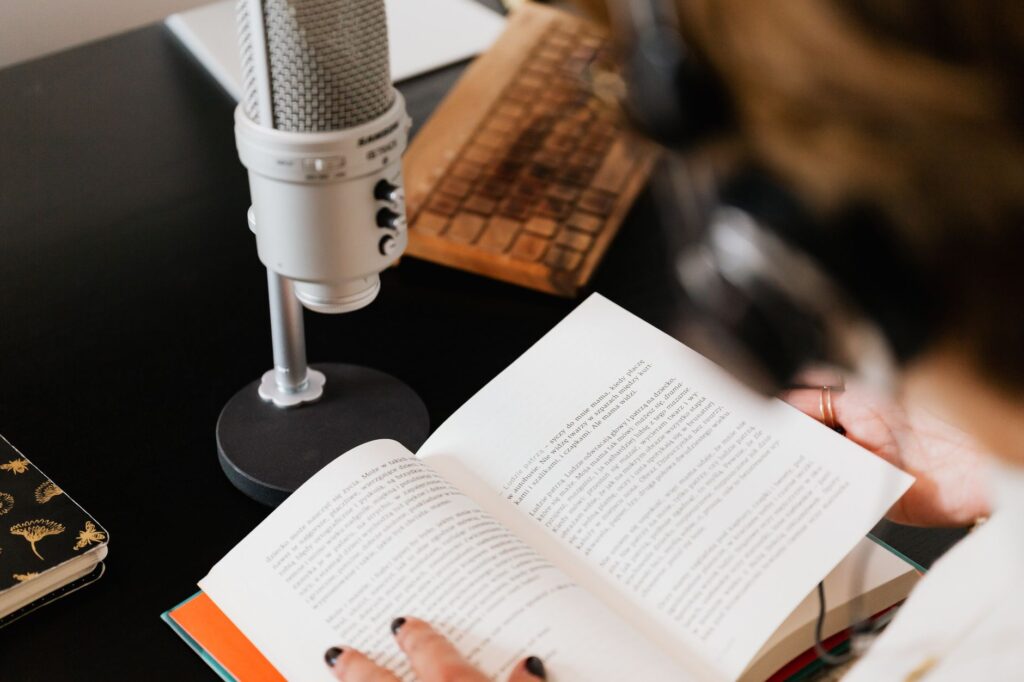
- Free finance podcasts — learn during commutes and chores.
- YouTube channels — free explainers on every money topic.
- Library resources — free finance books, audiobooks, and often premium course access.
- Free online courses — money and skill courses from reputable platforms (audit free).
Free skill-building (to earn more)
- freeCodeCamp, Khan Academy — free skill and foundational learning.
- HubSpot Academy, Google free training — free marketing and digital skills with certifications.
- Free creator content — many experts share genuinely free guides and newsletters.
Free help and support
- Nonprofit financial counseling — reputable organizations offer free guidance.
- Government and community programs — free assistance for those who qualify (food, utilities, housing, etc.).
How to use these without getting overwhelmed
- Start with one tool per goal — one budgeting tool, one savings account, one learning source.
- Prioritize the basics — a budget tool and a high-yield savings account first.
- Be cautious with apps — use reputable ones and check privacy and terms.
- Mix learning with doing — apply what you learn immediately for it to stick.
A note on "free"
Genuinely free resources are everywhere — so be wary of anything that claims free but pushes expensive upsells, or "free" copies of paid courses (piracy, which is risky and unethical). The resources above are legitimately free or have honest free tiers. You can dramatically improve your finances without spending a cent.
The takeaway
Improving your finances doesn't require spending money. Free tools cover every need: budgeting apps and spreadsheets, high-yield savings and no-fee accounts, financial education through blogs, podcasts, YouTube, and libraries, free skill-building to boost your income, and free counseling or assistance when you need support. Start with one tool per goal, prioritize the basics, stick to legitimate free resources, and apply what you learn. The path to better finances is more accessible — and more free — than most people realize.
Frequently asked questions
What free tools can help me manage my money?
Free budgeting apps and spreadsheet templates, your bank's built-in spending tools, high-yield savings and no-fee checking accounts, round-up savings features, bill reminders, and subscription trackers. Most financial needs have a genuinely free tool or honest free tier.
Where can I learn about personal finance for free?
Reputable personal finance blogs, free podcasts and YouTube channels, your local library (free books, audiobooks, and often premium course access), and free online courses you can audit. Mixing this learning with immediate action is what makes it stick.
Are free budgeting apps safe to use?
Many reputable budgeting apps offer safe free tiers, but you should always use well-known apps and review their privacy practices and terms before linking accounts. If you prefer, free spreadsheets and printable budgets work without connecting any financial accounts.
Can I really improve my finances without spending money?
Absolutely. Between free budgeting tools, no-fee and high-yield accounts, free education, free skill-building to earn more, and free counseling or assistance programs, you can budget, save, learn, and grow your finances without paying for anything. Be wary only of "free" offers that push expensive upsells.
Get paid to train AI
Mercor matches people to remote projects rating, correcting and transcribing the material AI systems learn from. Language roles hire on the language itself rather than a degree. Applying is free and takes a few minutes — though most applicants are not hired.
Click here to apply for the job →
Referral link. Finch & Fortune may earn a referral fee if you sign up through our link and are hired. It costs you nothing and does not affect your pay. Finch & Fortune is not a recruiter and takes no part in hiring decisions.
Read next




Related articles
- How to Stop Living Paycheck to Paycheck
- 15 Good Money Habits That Quietly Build Wealth
- Money Management for Beginners: A Simple Starter Guide
- How to Pay Off Debt Fast on a Budget
- Debt Snowball vs. Avalanche: Which Payoff Method Wins?
- The Best Budgeting Methods (and How to Pick One)
Further reading & trusted sources
A common mistake to avoid
The free resources that change anything are the ones you act on, not just bookmark. Most people consume endless finance content while never taking the single action it recommended.
Grace is on a quiet mission to make money boring again — no hype, no get-rich-quick, just plain-English steps an ordinary person can actually follow. She leads Finch & Fortune's budgeting, saving and earning guides, grounding anything that touches rules or rates in trusted authorities like the CFPB, FDIC and IRS. She is not a licensed financial advisor, so everything here is general education, never personalised advice — always check with a professional before a big money decision. AI tools help with research and drafting; a human reviews every guide for accuracy and responsible framing.