 By Grace Sterling, Personal Finance Editor
Reviewed & updated September 2026 · Researched, AI-assisted & human-reviewed
Educational information only — not financial advice. Learn more
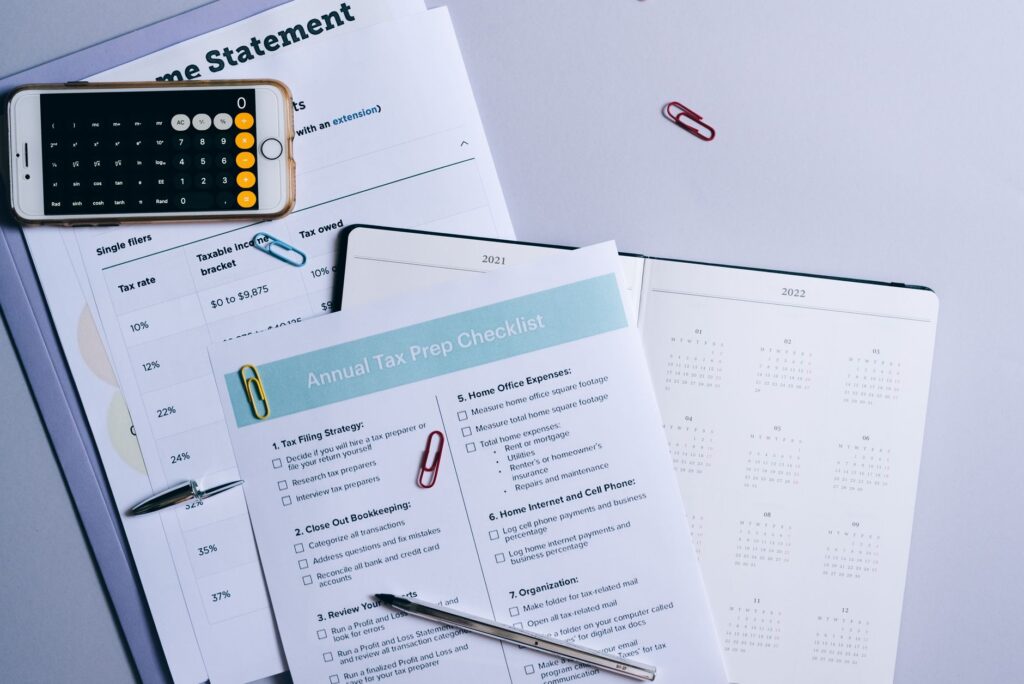
Sometimes the simplest tools are the most powerful. A printed budget sheet you fill in by hand, a savings tracker you color in as it grows, a debt payoff chart on your fridge — these low-tech tools work because they make your money visible and tangible. This guide explains the most useful budget printables and money templates for beginners, how to use each one, and how to create your own for free if you'd rather not wait.
Finch & Fortune shares general educational information, not financial advice. Everyone's situation is different — consider speaking with a qualified financial professional before making major money decisions.
 Jump to a sectionCurated by Grace · 7 min read
Why printables work so well
Apps are convenient, but for many people, writing things by hand creates a connection that tapping a screen doesn't. Printables make your finances physical: you see the numbers, you feel the progress, and the act of filling them in builds awareness and commitment. They're especially great for beginners because there's no learning curve — just print and start.
The essential money templates
Here are the printables worth having, and exactly how to use each.
1. Monthly budget template. The cornerstone. List your income at the top, your fixed and variable expenses below, and subtract to see what's left. Fill it in at the start of each month to plan, and check against it as the month goes.
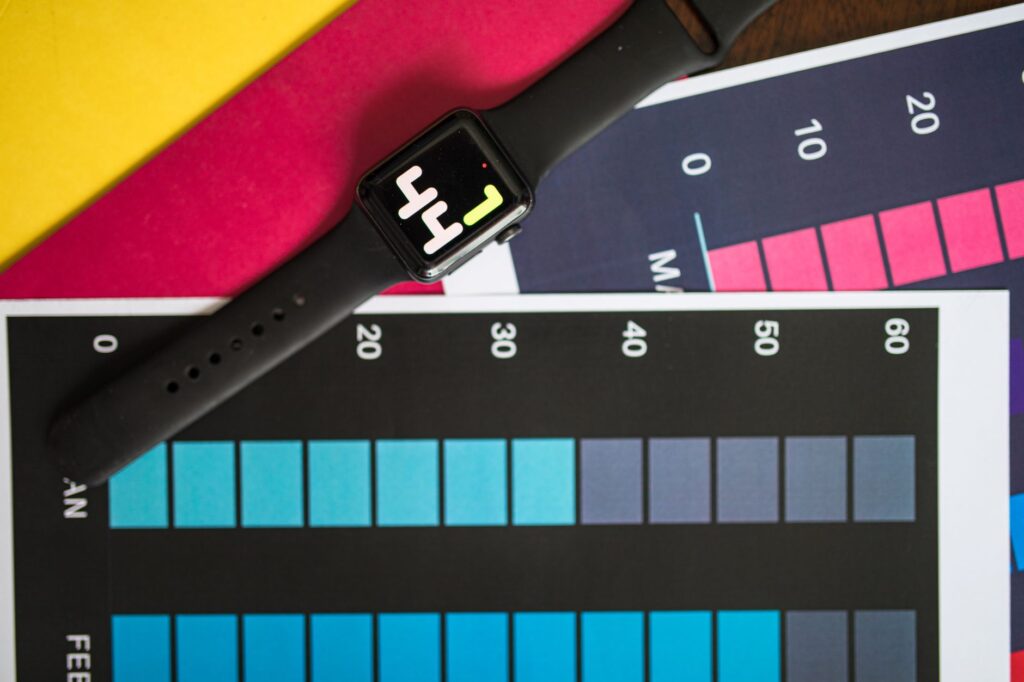
2. Savings tracker. A visual chart (often a goal "thermometer" or a grid of squares) you fill in as your savings grow. Watching it fill up is genuinely motivating and keeps a goal front-of-mind.
3. Debt payoff tracker. List each debt and color in your progress as balances shrink. Pairs perfectly with the snowball or avalanche method and turns a slow grind into visible wins.
4. Bill payment checklist. A monthly list of every bill and its due date, checked off as you pay. Prevents missed payments and late fees.
5. Expense / spending log. A simple sheet to jot every purchase for a month. Tedious but eye-opening — it reveals exactly where your money leaks.
6. Money challenge sheet. Like the 52-week challenge grid — check off each amount as you save it. Turns saving into a game.
How to use printables effectively
- Keep them visible. Tape the savings or debt tracker somewhere you'll see it daily — the fridge, a mirror, your desk. Out of sight is out of mind.
- Fill them in on a schedule. Budget at the start of the month, log spending daily or weekly, and review at month's end.
- Pair them with a real account. The printable tracks and motivates; the actual money lives in your bank. Use both together.
- Don't aim for perfect. A messy, used printable beats a pristine, ignored one.
Make your own for free
You don't need to buy anything. You can create simple, effective templates yourself:
- Free spreadsheet tools (Google Sheets) have budget templates built in — and they auto-calculate for you.
- A plain notebook works perfectly: rule columns for income, expenses, and savings.
- Document tools (Google Docs, free design apps like Canva's free tier) let you design a pretty printable in minutes.
- Printable trackers are easy to sketch: a grid of squares for a savings goal, a list with checkboxes for bills.
The tool matters far less than the habit of using it.
A simple DIY budget template layout
Want to make one right now? Use this structure on paper or a spreadsheet:
- Income — list each source and total it.
- Fixed expenses — rent, utilities, insurance, subscriptions, minimum debt payments.
- Variable expenses — groceries, gas, fun, personal.
- Savings & goals — emergency fund, savings, extra debt payment.
- Total + leftover — income minus everything. Aim for every dollar to have a job.
That five-part layout is the heart of nearly every budget template — and it's enough to take real control.
The takeaway
Budget printables and money templates work because they make your finances visible and tangible — and the simplest ones (a monthly budget, a savings tracker, a debt payoff chart, a bill checklist) are often the most effective. Keep them somewhere you'll see them, fill them in on a regular schedule, and pair them with your real accounts. You don't need to buy anything: a notebook, a free spreadsheet, or a quick DIY printable does the job. The magic isn't the template — it's the habit of using it.
Frequently asked questions
What budget printables do beginners need?
The essentials are a monthly budget template, a savings tracker, a debt payoff tracker, a bill payment checklist, and a spending log. These cover planning, saving, debt, and awareness — the core of taking control of your money.
How do I use a budget printable?
Fill in your income and expenses at the start of each month, log or check your spending against it during the month, and review at month's end. Keep visual trackers (savings, debt) somewhere you'll see daily, and pair the printable with your actual bank accounts.
How can I make a free budget template?
Use a free spreadsheet tool like Google Sheets (which has built-in budget templates that auto-calculate), a plain notebook with ruled columns, or a free design tool to make a printable. A simple layout of income, fixed expenses, variable expenses, savings, and leftover is all you need.
Are paper printables better than budgeting apps?
Neither is universally better — it depends on you. Many people find writing by hand builds stronger awareness and motivation, while apps offer convenience and automation. The best tool is the one you'll consistently use; some people use both together.
Get paid to train AI
Mercor matches people to remote projects rating, correcting and transcribing the material AI systems learn from. Language roles hire on the language itself rather than a degree. Applying is free and takes a few minutes — though most applicants are not hired.
Click here to apply for the job →
Referral link. Finch & Fortune may earn a referral fee if you sign up through our link and are hired. It costs you nothing and does not affect your pay. Finch & Fortune is not a recruiter and takes no part in hiring decisions.
Read next




Related articles
- How to Pay Off Credit Card Debt (Fast and For Good)
- How to Get Out of Debt: A Step-by-Step Plan
- How to Live Below Your Means (Without Feeling Deprived)
- Frugal Living for Beginners: Where to Start
- How to Cut Your Monthly Bills (A Complete Checklist)
- 25 Things to Stop Buying to Save Money
Further reading & trusted sources
What people get wrong here
A printable only helps if it matches how your money actually flows — the prettiest one fails if it doesn't fit your pay schedule. Function over looks is what keeps a budget tool in use past week two.
Grace is on a quiet mission to make money boring again — no hype, no get-rich-quick, just plain-English steps an ordinary person can actually follow. She leads Finch & Fortune's budgeting, saving and earning guides, grounding anything that touches rules or rates in trusted authorities like the CFPB, FDIC and IRS. She is not a licensed financial advisor, so everything here is general education, never personalised advice — always check with a professional before a big money decision. AI tools help with research and drafting; a human reviews every guide for accuracy and responsible framing.